システムプロンプト
計画と調整Assembled at Runtime, Never Hardcoded
The system prompt is a generated product of policy, tools, skills, and context.
s01 → ... → s08 → s09 → s10 → s11 → s12 → ... → s20
"prompt は組み立てるもの、固定するものではない" — セグメント + オンデマンド結合 + キャッシュ。
Harness レイヤー: プロンプト — 実行時組み立て、ハードコードなし。
課題
s01 から s09 まで、system prompt は常に 1 行のハードコード:
SYSTEM = f"You are a coding agent at {WORKDIR}. Use tools to solve tasks."
s01 では十分だった。bash、read、write の 3 ツールのみ。しかし s09 では、Agent に記憶、圧縮、スキル読み込みがある。prompt が説明すべき能力が増え続ける:
SYSTEM = (
    f"You are a coding agent at {WORKDIR}. "
    "Use tools to solve tasks. Act, don't explain. "
    "Before starting any multi-step task, use todo_write. "
    "Skills are available via list_skills and load_skill. "
    "Relevant memories are injected below when available. "
    # ... 能力を追加するたびに 1 行増える
)
3 つの問題:
- プロジェクトを変えるには prompt 全体を書き直す必要がある。何を変え、何を残すべきか不明
- 一箇所の変更が全体に影響する。ツール説明を追加すると、前の指示と矛盾する可能性
- 毎回のリクエストが全内容を送信する。現在の会話で不要なセクションも token を無駄に消費
System prompt は、実行時の現在状態に基づいて組み立てられる設定であるべき:どのツールが有効か、どのコンテキストが可視か、どの記憶が関連するか、どの内容を prompt cache に命中させるために安定させるべきか。
ソリューション
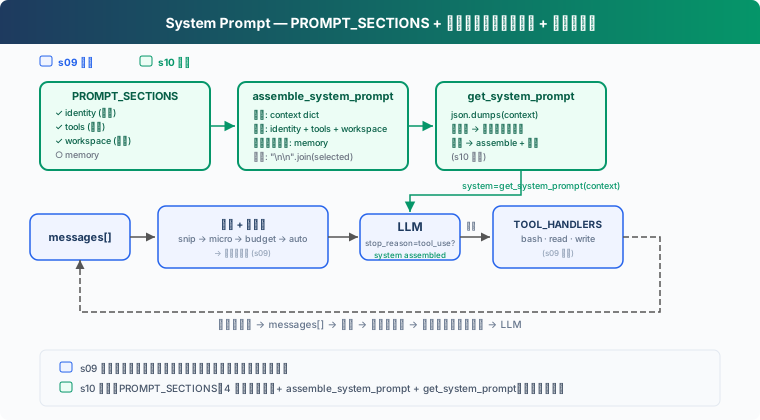
s10 は prompt アセンブリ機構に焦点を当てる。s08-s09 の能力を背景とするが、圧縮や記憶システムは再実装しない。核心の変更:ハードコードされた SYSTEM を独立セクションに分割し、実行時に実際の状態に基づいてオンデマンドで組み立て、結果をキャッシュして再組み立てを回避。
4 つのセクション、2 つの読み込み戦略:
| セクション | 戦略 | 内容 | 判断基準 |
|---|---|---|---|
| identity | 常に | あなたは誰か、どう作業するか | 常に存在 |
| tools | 常に | 利用可能ツール一覧 | enabled_tools |
| workspace | 常に | 作業ディレクトリ | 常に存在 |
| memory | オンデマンド | 関連記憶内容 | .memory/MEMORY.md が存在するか |
重要な設計:セクションをロードするかどうかは実際の状態(ツールが存在するか、ファイルが存在するか)で決まり、メッセージ内のキーワードではない。
仕組み
PROMPT_SECTIONS: トピック別フラグメント
単一の文字列を辞書に分割、各キーがトピック:
PROMPT_SECTIONS = {
    "identity": "You are a coding agent. Act, don't explain.",
    "tools": "Available tools: bash, read_file, write_file.",
    "workspace": f"Working directory: {WORKDIR}",
    "memory": "Relevant memories are injected below when available.",
}
各セクションは独立して管理。tools を変更しても identity に影響しない。memory を追加しても workspace はそのまま。
assemble_system_prompt: オンデマンド組み立て
すべてのセクションが毎ターン必要なわけではない。記憶ファイルがなければ、memory セクションをロードしても token の無駄。context の実際の状態に基づいて組み立てる:
def assemble_system_prompt(context: dict) -> str:
    sections = []

    # 常にロード
    sections.append(PROMPT_SECTIONS["identity"])
    sections.append(PROMPT_SECTIONS["tools"])
    sections.append(PROMPT_SECTIONS["workspace"])

    # オンデマンド — 実際の状態に基づく、キーワードではない
    memories = context.get("memories", "")
    if memories:
        sections.append(f"Relevant memories:\n{memories}")

    return "\n\n".join(sections)
「常にロード」は毎ターン必要なもの:アイデンティティ、ツール、作業ディレクトリ。「オンデマンド」は特定条件下でのみ有用。
なぜ全部ロードしないのか?token にはコストがあり(system prompt は毎ターン課金)、情報が少ないほど LLM は集中する(無関係な指示はノイズ)。
get_system_prompt: キャッシュで再組み立てを回避
コンテキストが変わっていない時(同じターン内で複数の LLM 呼び出し、context が同じ)、再組み立ては無駄。確定的シリアライズで変化を検出し、キャッシュヒット時は即座に返却:
def get_system_prompt(context: dict) -> str:
    global _last_context_key, _last_prompt
    key = json.dumps(context, sort_keys=True, ensure_ascii=False, default=str)
    if key == _last_context_key and _last_prompt:
        return _last_prompt
    _last_context_key = key
    _last_prompt = assemble_system_prompt(context)
    return _last_prompt
hash() ではなく json.dumps を使用:Python 組み込みの hash() にはプロセスランダム化があり(安定したキャッシュキーに不適切)、list/dict で unhashable type エラーになる。
注意:このキャッシュは「プロセス内での文字列再組み立ての回避」のみ。CC の API prompt cache とは別物。CC の prompt cache は SYSTEM_PROMPT_DYNAMIC_BOUNDARY で静的/動的部分を分離し、静的部分が global cache に命中する。動的内容が変化しても静的部分は無効化されない。
context: 実際の状態、キーワード推測ではない
context は現在の実行時状態の実際の状態を反映:
def update_context(context: dict, messages: list) -> dict:
    memories = ""
    if MEMORY_INDEX.exists():
        content = MEMORY_INDEX.read_text().strip()
        if content:
            memories = content
    return {
        "enabled_tools": list(TOOL_HANDLERS.keys()),
        "workspace": str(WORKDIR),
        "memories": memories,
    }
enabled_tools は実際に登録されたツールを一覧。memories は .memory/MEMORY.md が存在するかを確認。セクションの読み込みはこの実際の状態に基づき、メッセージ内のキーワード検索ではない。
組み合わせて実行
def agent_loop(messages: list, context: dict):
    system = get_system_prompt(context)
    while True:
        response = client.messages.create(
            model=MODEL, system=system, messages=messages,
            tools=TOOLS, max_tokens=8000)
        # ... ツール実行 ...
        context = update_context(context, messages)
        system = get_system_prompt(context)
各ループ反復の開始時に system prompt を取得。context が変わっていれば再組み立て、変わっていなければキャッシュを返却。
s09 からの変更点
| コンポーネント | 変更前 (s09) | 変更後 (s10) |
|---|---|---|
| prompt | ハードコード SYSTEM 文字列 | PROMPT_SECTIONS + assemble_system_prompt |
| キャッシュ | なし | get_system_prompt(json.dumps 検出 + キャッシュ) |
| 新規関数 | — | assemble_system_prompt, get_system_prompt, update_context |
| ツール | bash, read_file, write_file (3) | bash, read_file, write_file (3) — 変更なし |
| ループ | 固定 SYSTEM を使用 | get_system_prompt(context) を使用 |
試してみよう
cd learn-claude-code
python s10_system_prompt/code.py
観察のポイント:
- 出力にロードされたセクションが表示される(
[assembled] sections: ...ラベル) - 継続会話でキャッシュヒット時は
[cache hit]と表示 .memory/MEMORY.mdを作成すると、次のターンで memory セクションが自動ロード
以下のプロンプトを試してみてください:
Read the file README.md(常にロードされる 3 つのセクションを観察)Create a file called .memory/MEMORY.md with content "- [test](test.md) — test memory"(記憶インデックスを書き込み)Read the file code.py(memory セクションが表示されるか観察)
次へ
System prompt を実行時に組み立てられるようになった。しかし Agent はエラーでまだクラッシュする。ネットワークの不安定性、API レート制限、出力の切り詰め、コンテキスト超過、これらはバグではなく日常。
s11 Error Recovery → 4 つのリカバリパス。token のアップグレード、コンテキスト圧縮、指数バックオフ、モデル切り替え。
CC ソースコードの詳細
以下は CC ソースコード
constants/prompts.ts(914 行)、constants/systemPromptSections.ts(68 行)、context.ts(189 行)、utils/api.ts(718 行)、utils/systemPrompt.ts(123 行)、bootstrap/state.tsの分析に基づく。
CC の system prompt にはいくつのセクションがあるか?
数は固定されておらず、feature flag、output style、KAIROS/Proactive モード、ユーザータイプ、token 予算などに影響される。大まかに 2 つのカテゴリ:
静的セクション(常にロード):identity、system、doing_tasks、actions、using_tools、tone_style、output_efficiency など。
動的セクション(状態に応じてロード):session_guidance、memory、ant_model_override、env_info_simple、language、output_style、mcp_instructions、scratchpad、frc、summarize_tool_results、numeric_length_anchors、token_budget、brief など。
mcp_instructions は唯一の揮発性セクション(DANGEROUS_uncachedSystemPromptSection() で作成)。MCP server はターン間で接続・切断可能なため。
組み立て関数
getSystemPrompt(tools, model, additionalWorkingDirs?, mcpClients?): Promise<string[]>
string[](各要素がセクション)を返却。SYSTEM_PROMPT_DYNAMIC_BOUNDARY で静的/動的部分を分離。
cache scope
global cache boundary が有効な場合、静的セクションは 1 つの global cache block にマージされ、動的セクションは global cache を使用しない(cacheScope: null)。boundary なしまたは global cache をスキップするパスでのみ org scope にフォールバック。
教学版のキャッシュは文字列の再組み立てを回避するのみ。CC の 3 層キャッシュ:
- lodash memoize:
getSystemContextとgetUserContextがセッション中キャッシュ(context.ts) - セクション登録キャッシュ:
STATE.systemPromptSectionCacheが動的セクションの結果をキャッシュ、/clearや/compactでクリア - API レベルキャッシュ:
splitSysPromptPrefix()(api.ts)が boundary を通じて異なる cache scope のブロックに分割
getUserContext vs getSystemContext
| getSystemContext | getUserContext | |
|---|---|---|
| 内容 | gitStatus、cacheBreaker | CLAUDE.md 内容、currentDate |
| 注入方式 | system prompt 配列に追加 | <system-reminder> ユーザーメッセージとして先頭に配置 |
| スキップ条件 | カスタム system prompt 時 | 常に実行 |
モードによる prompt の変化
- CLAUDE_CODE_SIMPLE: prompt 全体が 2 行のみ
- Proactive/KAIROS: コンパクト版 prompt が標準セクション全体を置換
- Coordinator: コーディネータ専用 prompt がデフォルトを完全に置換
- Agent モード: Agent 定義の prompt がデフォルトを置換または追加
総サイズ
標準インタラクティブモードの system prompt コアは約 20-30KB テキスト。CLAUDE_CODE_SIMPLE は約 150 文字。ユーザーコンテキスト(CLAUDE.md)とシステムコンテキスト(git status)がこれに加算。